
JazzED-ucation in Action: Anna Mariko Seymour
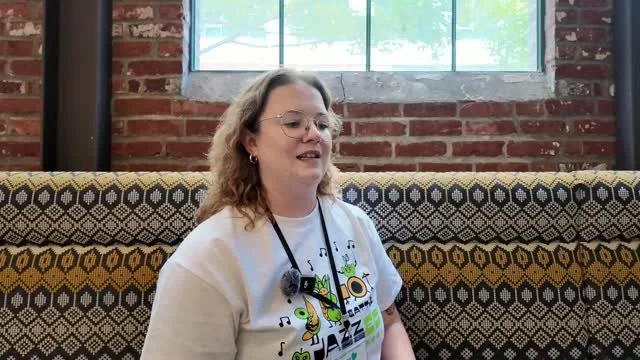
/Anna Mariko Seymour is a drummer, singer, composer, producer, and teaching artist.
Born and raised in the Greater Seattle area, Anna has been part of the local music scene for more than a decade. She earned her Bachelor of Music in Contemporary Writing and Production from Berklee College of Music and now performs, teaches, writes, and produces music in Seattle. She also leads her own electronic art rock project, Prismia.
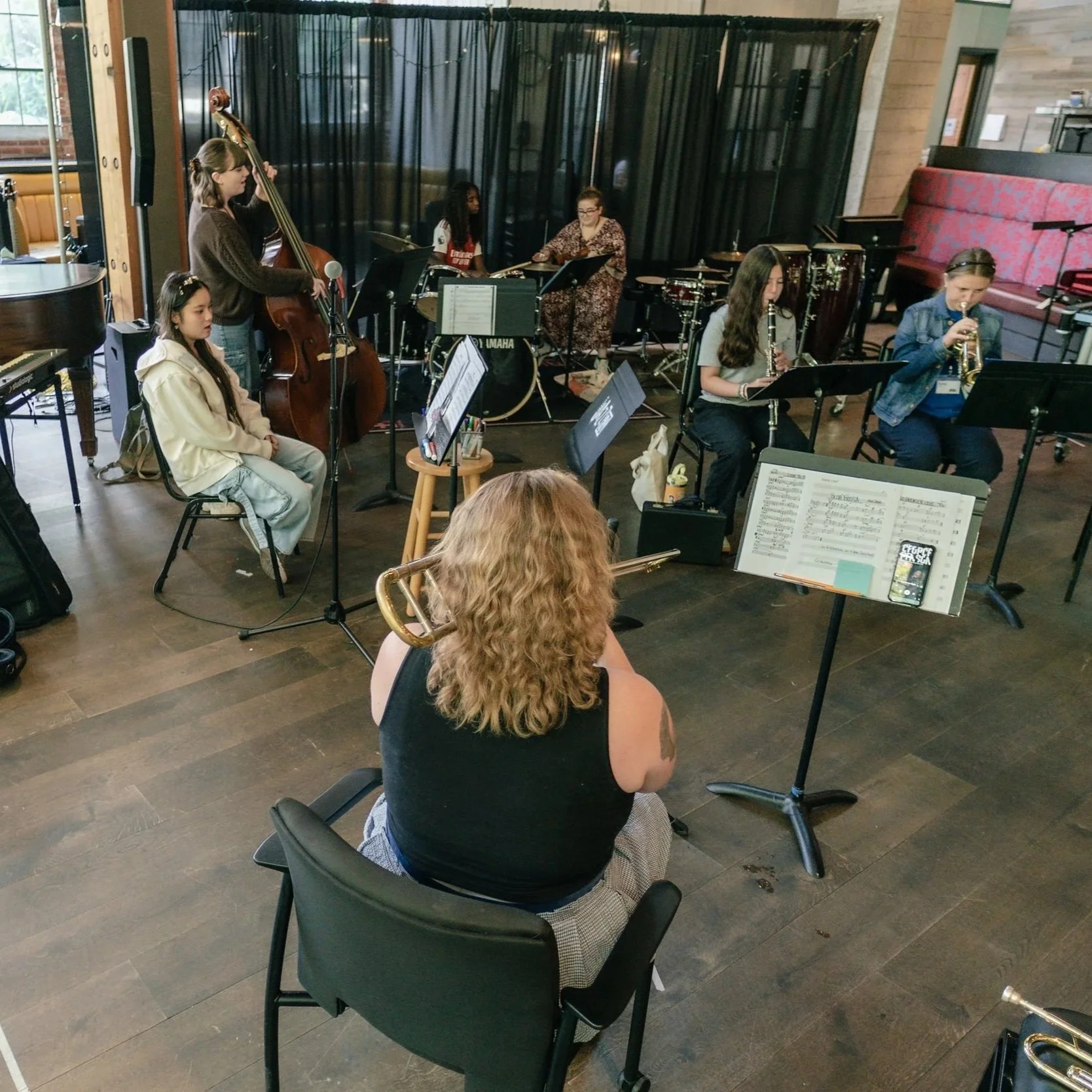
At Seattle JazzED, Anna has taught Foundations, Connections, Second Line, and supported our Femme Jazz programs. Across all those spaces, one thing stays consistent: she starts by getting to know the people in the room.
We sat down with Anna to talk about her approach to teaching and why individualized education matters, and how her work as an artist shapes the way she teaches.
How did you first get into drums?
My grandfather had an old bass drum that I would play when I spent the nights with my grandparents. He noticed that I had a sense of rhythm and encouraged my mom to let me take lessons. I started playing when I was about nine. My dad is a guitarist, so I grew up around music, and I started taking lessons with Jay Douglas, who was a huge inspiration for me in becoming a full-time musician.
After a couple years of lessons, I started playing in youth organizations around 11 and 12 years old. After that, I started a little youth band and was the drummer for a bunch of different youth bands. I was playing all-ages venues in middle and high school and gigging before I was even 18.
Music has always been a really big part of my life, so becoming a full-time musician felt like a natural direction for me.
What brought you to Seattle JazzED?
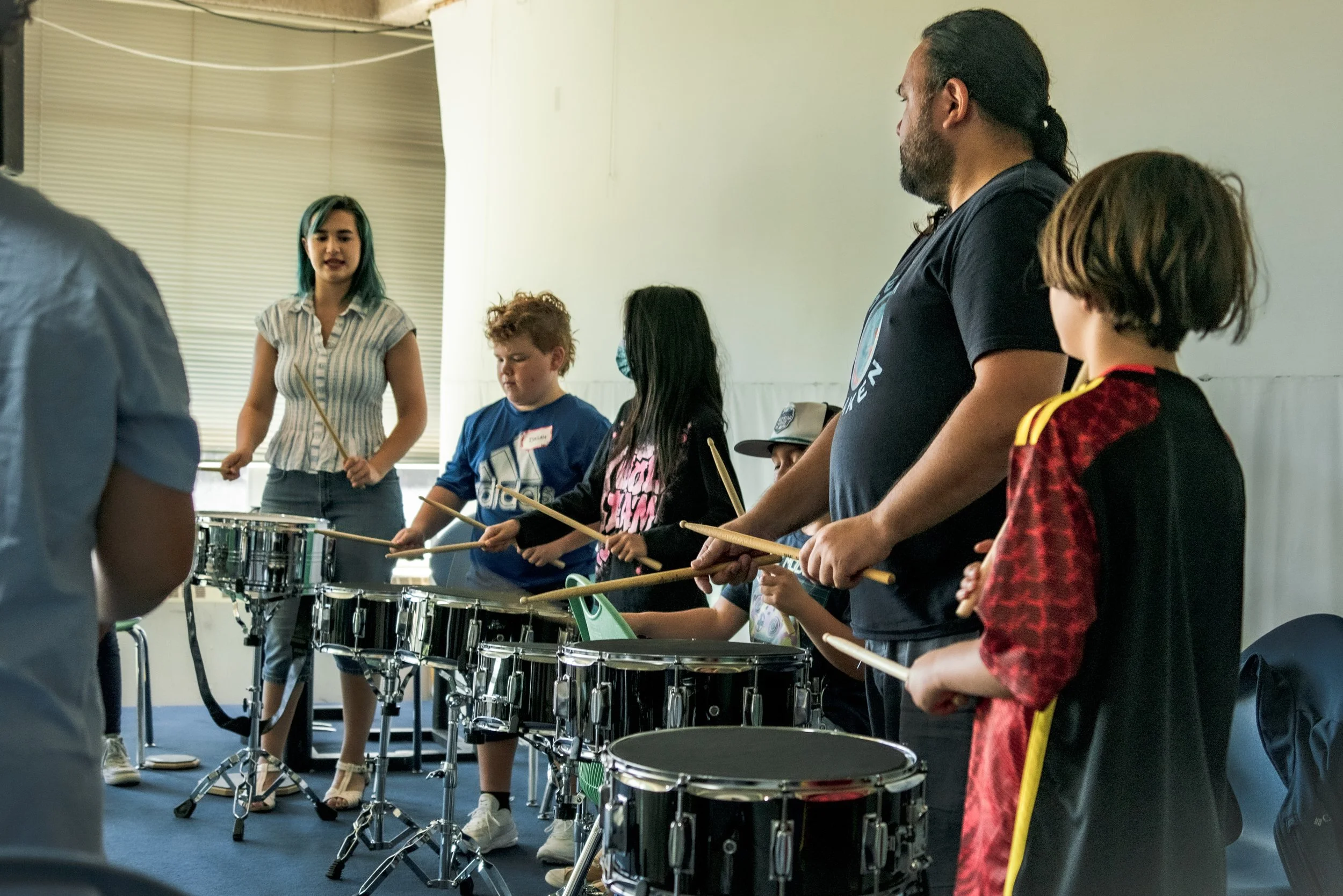
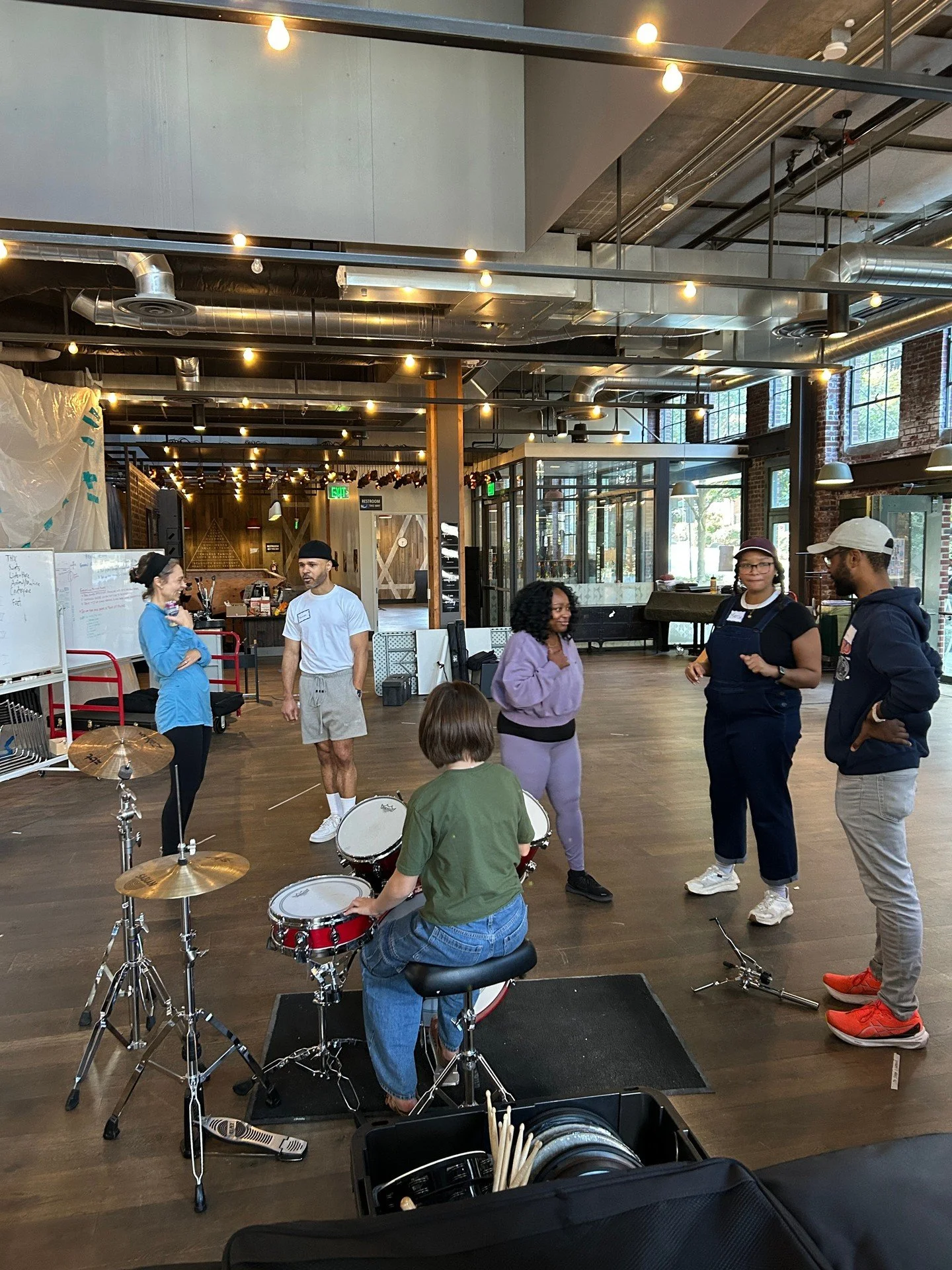
Anna (Left) in Foundations Summer Camp 2023. Photo by Jocelyn RC.
After graduating from Berklee, I moved back to Washington at the end of 2021. Reese Tanimura connected me with Kelly Clingan, who was the Education Director at the time, and Kelly basically threw me in.
I've taught a lot of different programs since then, including Foundations, Connections, Femme Jazz, summer camps, JazzSprouts, and Second Line.
What keeps me at JazzED is the inclusivity across all of the different programs. I think that's really powerful and one of the things that makes JazzED unique. There's a place for so many different kinds of students and musicians.
How would you describe your teaching style?
I don't believe in a one-size-fits-all education. Every time I step into a space, even if it's the exact same program, I'm dealing with an entirely different set of individual people and kids.
I like to start with structure, but then loosen that structure as needed. My first day is really about gathering information. I ask students what they're interested in, why they chose their instrument, and what kind of music they like. Then my job is to figure out how to connect what they're interested in to what we're doing.
If a student likes rock or pop, for example, I want to find a way to connect that to jazz and to the curriculum. I think that's especially important with beginners. You're taking all of this energy of, "I just want to bang on this thing," and helping refine it into something with finesse and intention.
Can you tell us about a time when you saw something click for a student?
I had a student in Foundations who wasn't really connecting with the snare. He was withdrawn, shy, and not really willing to participate. And so I thought, "Okay, what's going to make this student really engaged? What does he want out of it?" And so I spoke with him one-on-one and learned he loved the piano. I had him try the marimba and xylophone, and suddenly he lit up.
He was focused, he was happy, and he just started killing it. It was like the puzzle pieces just fit after we connected his piano experience with a percussion instrument.
That experience really stuck with me because it showed how one small decision as an educator can completely change a student's experience. Sometimes it's just about finding the thing that makes sense for that particular person.
Your experience with Second Line has also been meaningful. What does that program mean to you?
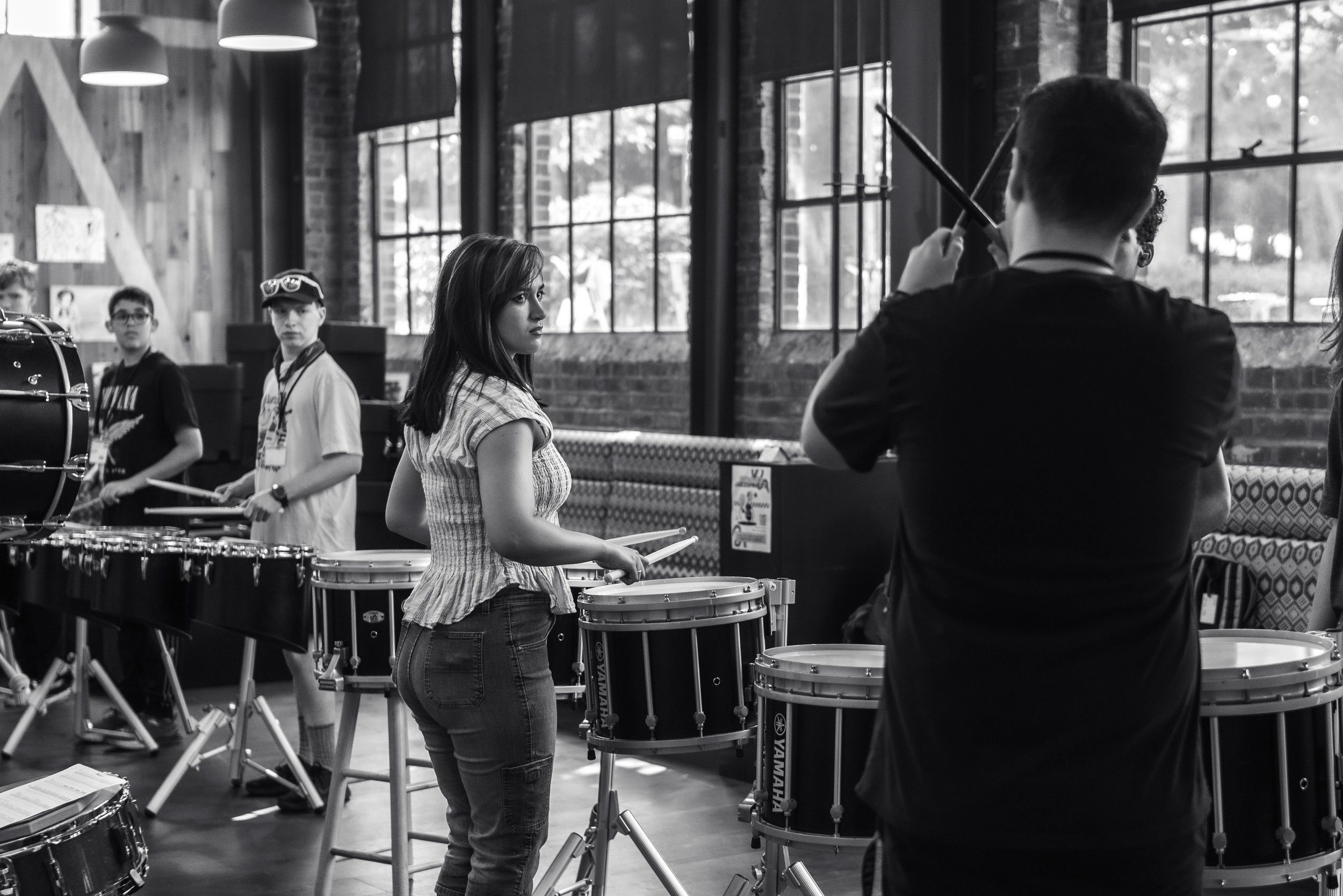
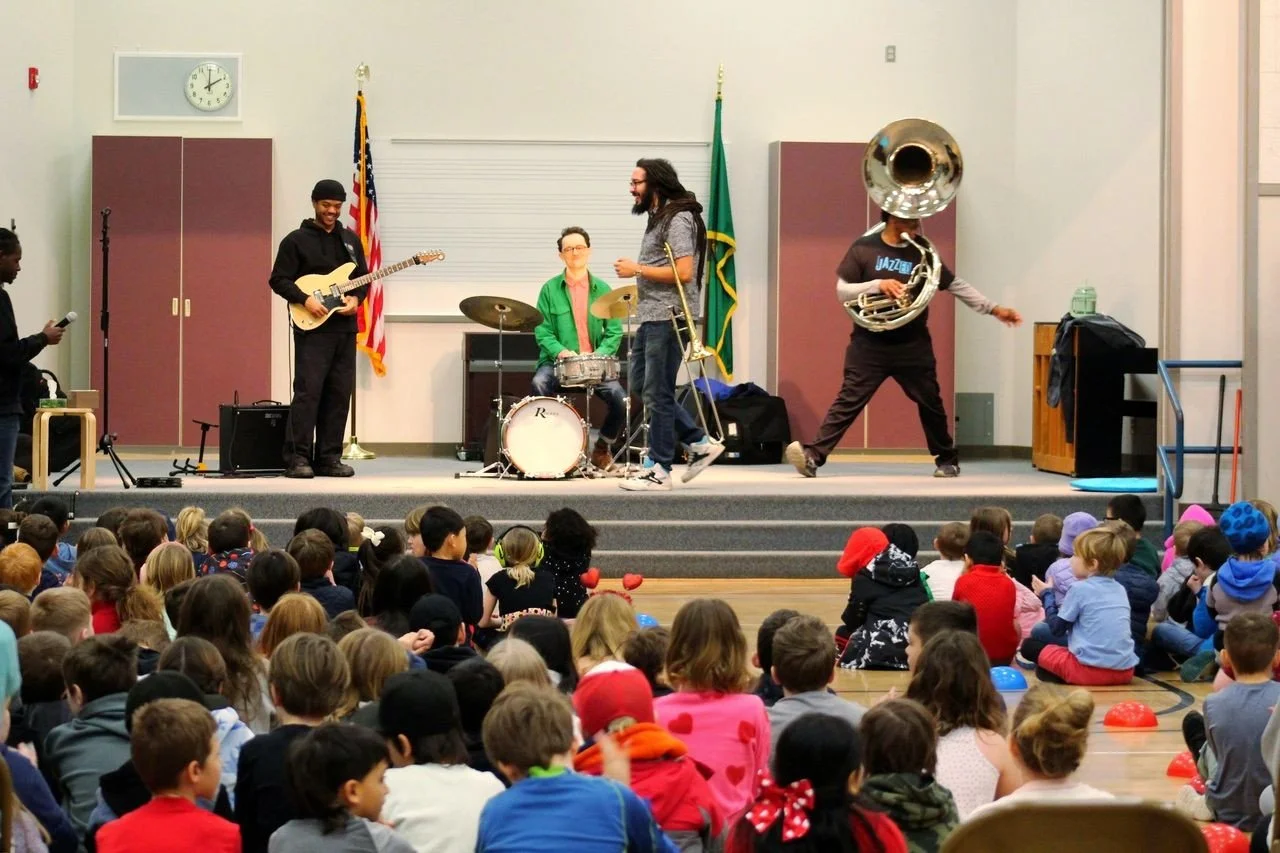
Anna Leading DrumLine Section for Second Line Project Camp in Summer 2025. Photo BY Jocelyn RC
Before I became the lead for Second Line, I had been a helper and intern. I only had one year of high school drumline experience, so I definitely had some insecurity about leading it. I did a lot of homework and tried to prepare myself as much as possible.
There was a student named Liam who had done Second Line before, and he checked in with me about things they'd done in previous years. He was really supportive, and I found that helpful. I saw a lot of myself in him at that age.
My own experience in drumline wasn't always easy. I was the only girl in my high school drumline, and eventually I left because of bullying and drama. So now being able to support femme students in that space feels really meaningful to me. It's like I'm getting the chance to rewrite my own story.
How does your work as an artist influence the way you teach?
My solo project is called Prismia. It's almost five years old now, and after Berklee I wanted to see how much I could do on my own. I write and produce the songs, handle the social media, and lead the project, but I have a rotating cast of players. It's very community-oriented. It really takes a village.
The name Prismia comes from the idea of a prism reflecting light from different perspectives. I like that idea of multidimensionality and bringing different people, art forms, and genres together.
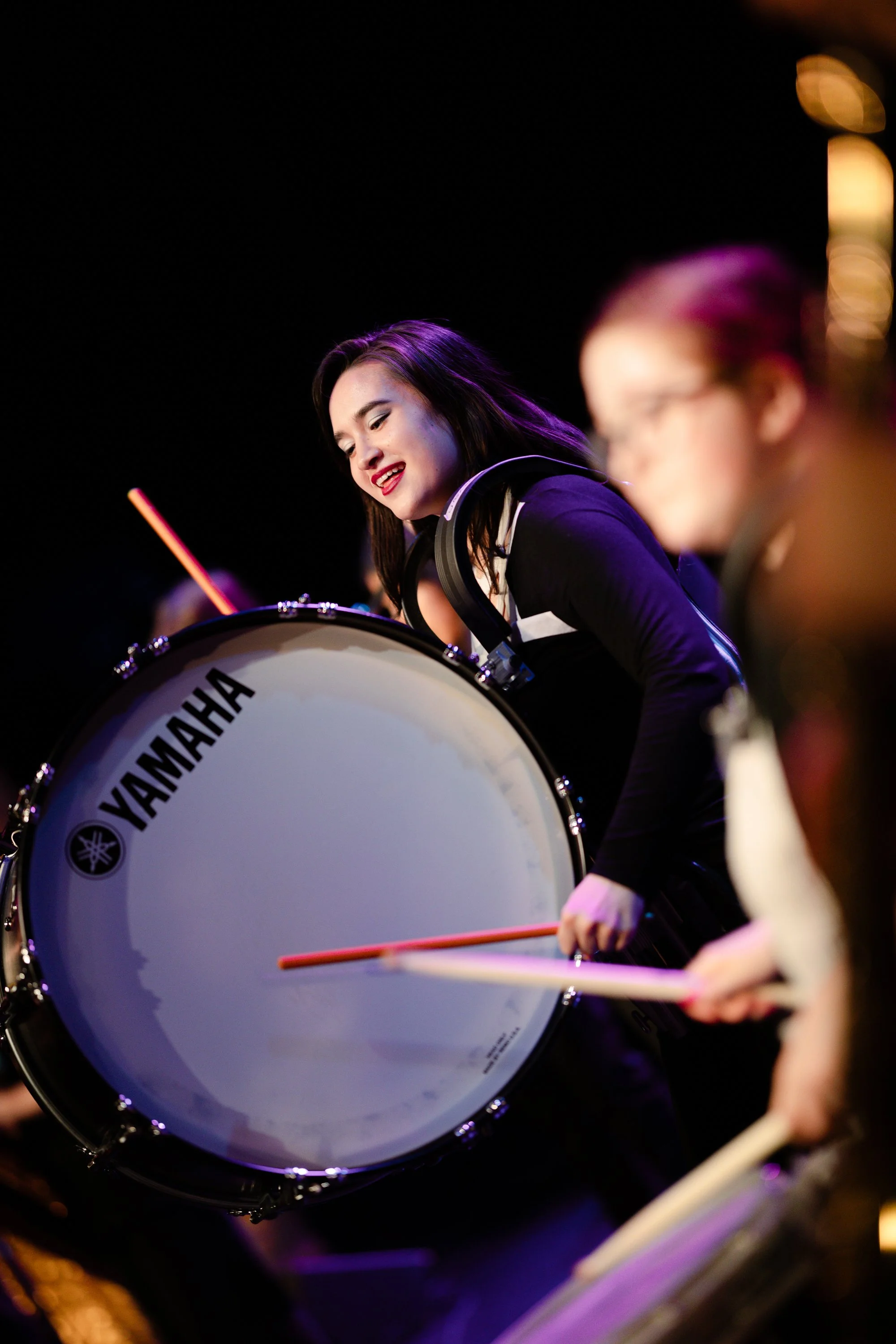
Anna at our Soundtrack for the future gala 2026. Photo by Charissa Soriano
That's also how I think about teaching. I want students and collaborators to bring their own skills and backgrounds into the space. I want them to shine and do their thing.
What do you think makes the experience at JazzED unique for students?
That's one of the things I love about JazzED. Jazz education can be about so much more than learning music. It's about morals, attitude, history, empowerment, and fighting injustice. There's a beautiful history to jazz, but there's also a dark history, and I think it's important for students to understand all of that.
If I had to describe what JazzED makes possible in one sentence, I'd say: "Inspiration, creative freedom, and exploration through the wonders of jazz education."